About SPOTTING PLATES, PORCELIAN
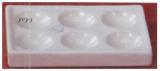
Experience elite laboratory precision with our customizable, acclaimed Porcelain Spotting Plates. Designed for valuable micro-scale reactions, these robust plates feature 12 or 24 round wells, each offering a lofty depth of approximately 8-10 mm and a diameter of 15 mm. The smooth, white-glazed surface ensures efficient, seamless sample handling. Highly heat and chemical-resistant, the plates suit demanding conditions up to 1050C, providing significant savings through durable, reusable design. Well-crafted for reliability, these individually boxed plates represent the gold standard for professionals seeking optimum performance.
Versatile Laboratory Applications & Expert Use
Porcelain spotting plates are widely utilized by elite chemists, educators, and researchers in academic and industrial laboratories across India. Acclaimed for their versatility, they are indispensable in spot tests, micro-scale reactions, and comparative chemical analysis. The smooth, chemically resistant finish enables repeated use for valuable investigative tasks. Their design allows efficient observation of color changes and reaction progress, making these plates the preferred choice for those demanding precision in analysis.
Certifications, Samples, and Global Export Information
Our porcelain spotting plates comply with industry standards for chemical and thermal resistance, ensuring elevated safety and performance. Samples are available upon request, with proposal amounts adjusted accordingly. We handle all freight and charge details transparently for your convenience. These plates are exported to major markets across Asia, the Middle East, and Africa, making them a trusted solution for discerning laboratories worldwide seeking reliability and exceptional savings.
FAQs of SPOTTING PLATES, PORCELIAN:
Q: How are porcelain spotting plates typically used in laboratories?
A: Porcelain spotting plates are mainly used for spot tests, micro-scale chemical reactions, and the observation of reaction color changes. Their multiple wells allow comparative testing of small volumes of reagents.
Q: What makes these spotting plates highly resistant to chemicals and heat?
A: Manufactured from lofty, high-quality porcelain and finished with a white glazed coating, these plates resist acids, alkalis, and organic solvents, and withstand high temperatures up to 1050C.
Q: When is it recommended to use a 12-well versus a 24-well plate?
A: A 12-well plate is ideal for smaller-scale experiments or routine tests, while a 24-well plate suits more extensive tests or when multiple samples need analysis simultaneously.
Q: Where are these spotting plates primarily sourced and supplied from?
A: These acclaimed porcelain spotting plates are manufactured, supplied, and traded from India, reaching laboratories and institutions globally.
Q: What process is recommended for cleaning and maintaining the plates?
A: Porcelain spotting plates are autoclavable and can be easily cleaned for repeated use. After use, rinse thoroughly, dry, and sterilize as required to maintain their valuable, chemical-resistant properties.
Q: What is the main benefit of using customizable, reusable spotting plates?
A: The main benefit lies in their durability and elite resistance to chemicals and heat, which provides significant cost savings and consistent, reliable performance in laboratory processes.








 Send Inquiry

 Send Inquiry