About SIMPLE CELL POT
| SIMPLE CELL POT |
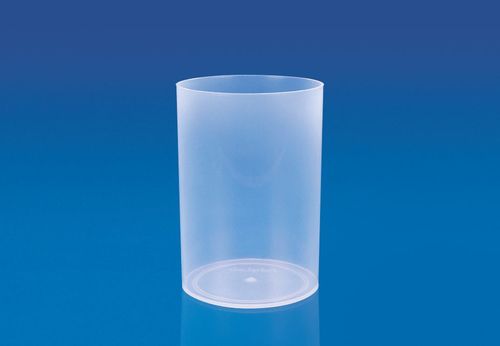
Simple cell pot, as the name suggests, is used for making simple cells & voltmeters etc. Moulded in polypropylene, this pot has very good contact clarity and excellent chemical resistance. Being in polypropylene, this pot is much durable than the one used conventionally.
Material : Polypropylene
| CODE NO. | PARTICULARS | PACKING (Pcs) | | 82101 | Simple Cell Pot | 12 |
|
Precision in Laboratory ElectrochemistryEngineered for precise electrochemical experiments, the Simple Cell Pot supports an array of investigations with its platinum, copper, or carbon electrodes. The accurate graduation marks facilitate meticulous volume measurements, while a robust construction ensures longevity and repeatable results in your laboratory processes.
Durability and Versatility for Everyday Laboratory UseManufactured with borosilicate glass, the Simple Cell Pot boasts outstanding thermal and chemical resistance. Its transparency allows for clear solution observation, and it features a manual control design suitable for all standard laboratory applications. Autoclavability further enhances its reusability and hygiene.
FAQs of SIMPLE CELL POT:
Q: How is the Simple Cell Pot typically used in laboratory settings?
A: The Simple Cell Pot is commonly employed for electrochemical or electrolysis experiments. Its robust design and interchangeable electrodes allow for investigation of solution conductivity, redox reactions, and other fundamental processes in educational or research laboratories.
Q: What volume capacities are available for the Simple Cell Pot?
A: The Simple Cell Pot is available in various sizes to suit laboratory needs, typically offering capacities from 250 ml up to 1000 ml. Each pot is clearly graduated for accurate measurement and solution preparation.
Q: When should I choose platinum, copper, or carbon electrodes for my experiments?
A: Select the electrode material based on your experiments requirements: platinum for high chemical resistance and inertness, copper for general electrochemical reactions, and carbon for cost-effective, routine applications. Each material ensures reliable conductivity and performance.
Q: Where is the Simple Cell Pot manufactured and supplied from?
A: The Simple Cell Pot is produced in India by reputable laboratory glassware manufacturers, suppliers, and traders, ensuring quality construction and adherence to international laboratory standards.
Q: What is the process for cleaning and maintaining the Simple Cell Pot?
A: To maintain its longevity, thoroughly rinse the cell pot with appropriate solvents after each use. Its borosilicate glass and removable components permit easy cleaning, and it can be autoclaved for sterilization without compromising durability.
Q: What advantages does the Simple Cell Pot offer over traditional glassware?
A: Its borosilicate construction provides greater chemical and heat resistance, while the ground glass joint and high-quality stoppers ensure secure sealing. Easy graduation, transparency, and reusable design offer significant improvements in accuracy, observation, and cost-effectiveness.
Q: How does the Simple Cell Pots temperature resistance benefit laboratory operations?
A: With the ability to withstand temperatures up to 250C, the Simple Cell Pot can be safely employed in heated experiments or sterilized in an autoclave, making it suitable for a wide range of laboratory protocols requiring thermal durability.













 Send Inquiry

 Send Inquiry