

Back to top
Send SMS Send Inquiry
ORGAN PIPE
ORGAN PIPE

ORGAN PIPE

ORGAN PIPE Specification

  • Feature
  • Produces musical tone by vibrating air column
  • Frequency
  • Varies as per pitch and pipe size
  • Accuracy
  • Depends on tuning and voicing
  • Power Source
  • Air (wind supply)
  • Type
  • Organ Pipe
  • Usage
  • Musical instrument (Pipe Organ component)
  • Dimension (L*W*H)
  • Varies according to individual pipe
  • Weight
  • Depends on pipe size and material


About ORGAN PIPE

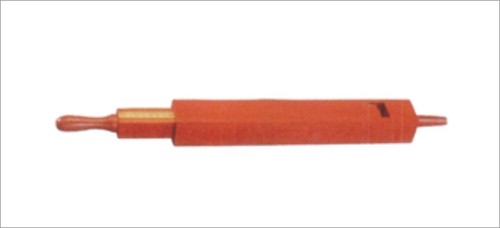
Wooden; 22 long. Demonstrates the relationship between length of air column and frequency of sound produced. Finished with clear lacquer. Graduated, sliding piston. The stopper is 16.5 long when fully extended and drawn out. 

Superior Craftsmanship and Versatility

Each organ pipe is meticulously produced, whether as a flue or reed variant. The polished or matte finish options cater to both aesthetic and design needs. From slender treble to substantial bass pipes, the diversity in size and shape guarantees a comprehensive tonal range essential for musical excellence in pipe organs.


Expert Installation and Maintenance

Organ pipes are installed within the organ casework, positioned for maximum sound projection and integration. Periodic maintenance such as cleaning and retuning is vital for preserving sound quality and musical accuracy, ensuring that each pipe maintains its distinctive voice for years to come.

FAQs of ORGAN PIPE:


Q: How does an organ pipe produce musical tones?

A: Organ pipes generate sound when air supplied by a wind system vibrates inside the pipe, creating an audible musical tone. The vibration of the air column produces different pitches depending on the pipes length and diameter.

Q: What are the differences between flue and reed organ pipes?

A: Flue pipes produce sound through air vibration across an opening, similar to a whistle, while reed pipes feature a metal reed that vibrates to provide a distinct tone. Both types offer unique timbres and serve specific roles within the pipe organ.

Q: When should organ pipes be cleaned and tuned?

A: Regular maintenance is crucial for organ pipes. Cleaning should be performed periodically to remove dust and debris, while tuning must be scheduled as needed, often every few months or after environmental changes, to maintain pitch accuracy.

Q: Where are organ pipes typically used?

A: Organ pipes are mainly installed in pipe organs located in churches, concert halls, and auditoriums. These venues benefit from the pipes ability to contribute to rich, resonant musical performances.

Q: What is the process of mounting organ pipes in an organ?

A: Organ pipes are fixed within the organs casework by skilled technicians. Precise placement ensures each pipe functions harmoniously and blends well with the overall instrument, optimizing their tonal output.

Q: What are the benefits of using Indian-manufactured organ pipes?

A: Organ pipes manufactured in India offer high-quality craftsmanship, adaptability in design, and reliable tonal performance. Indian suppliers provide a variety of finishes and sizes according to client and instrument needs.

Tell us about your requirement
product

Price:

Quantity
Select Unit

  • 50
  • 100
  • 200
  • 250
  • 500
  • 1000+
Additional detail
Mobile number

Email

More Products in PHYSICS LABORATORY EQUIPMENT Category

LOW-VOLTAGE AC/DC POWER SUPPLY, 220 V AC

LOW-VOLTAGE AC/DC POWER SUPPLY, 220 V AC

Weight : Lightweight (specific weight on packaging)

Usage : Laboratory and research purposes

Feature : Low voltage output durable design

Dimension (L*W*H) : Compact size (specific dimensions visible on product packaging or manual)

Type : AC/DC Power Supply

Automation Grade : Manual

Centrifugal Track (Loop)

Centrifugal Track (Loop)

Weight : 35 kg

Usage : Laboratory

Feature : Highly Efficient

Dimension (L*W*H) : 120 cm x 45 cm x 95 cm

Type : Centrifugal Track (Loop)

Automation Grade : SemiAutomatic

CAREY FOSTER BRIDGE

CAREY FOSTER BRIDGE

Weight : Approx. 1.5 kg

Usage : Measurement and comparison of low resistances in laboratories

Feature : High precision resistance measurement; sliding jockey contact

Dimension (L*W*H) : Approx. 45 cm x 10 cm x 10 cm

Type : Laboratory Bridge

Automation Grade : Manual Operation

ST. LOUIS MOTOR

ST. LOUIS MOTOR

Weight : Lightweight

Usage : For Demonstration and Learning

Feature : Durable Design

Dimension (L*W*H) : Standard Dimensions

Type : Educational Motor Kit

Automation Grade : Manual


SINGHLA SCIENTIFIC INDUSTRIES
GST : 06ACOPS0805K1ZD
No-5309/27, Punjabi Mohalla, Ambala Cantt - 133001, Haryana, India
Phone :07971191038
Mr Devender Singhla (Chief Executive)
Mobile :07971191038