


About COPLIN JAR
COPLIN JAR |
Polylab Coplin Jar made of Polypropylene can hold 10 slides of the size 1x3 back to back. The interior of the Coplin Jar is grooved in a way to hold slides in errect position. Domed & shallow thread screw cap provides protection to the slides
Material : Polypropylene
| CODE NO. | PARTICULARS | PACKING (Pcs) | | 62101 | Coplin Jar | 12 |
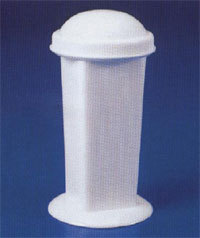
|
Versatile Slide Storage and StainingThe COPLIN Jar is engineered to simplify the staining, washing, or storage of up to ten microscope slides. Its precise, rectangular design safely accommodates slides vertically, minimizing cross-contamination during laboratory protocols. The high-quality glass or polypropylene construction assures durability and longevity.
Autoclavable and Chemically ResistantDesigned for rigorous lab conditions, the COPLIN Jar withstands repeated sterilization cycles up to 120C for glass or 121C for polypropylene. Its resistance to most laboratory chemicals ensures suitability for a variety of staining solutions and cleaning agents, making it a reliable reusable asset.
FAQs of COPLIN JAR:
Q: How do I use a COPLIN Jar for microscopic slide staining?
A: To use a COPLIN Jar, simply insert up to ten standard microscope slides vertically, then add your chosen staining solution up to the indicated graduation mark, if available. The jar ensures even coverage during staining and is suitable for subsequent washing steps.
Q: What materials are COPLIN Jars made from, and what are their benefits?
A: COPLIN Jars are manufactured from borosilicate glass or polypropylene. Glass offers clarity and chemical inertness, while polypropylene is lightweight, shatter-resistant, and highly chemical-resistant. Both materials are autoclavable and durable for repeated use.
Q: When should I choose a glass COPLIN Jar over a polypropylene one?
A: Select a glass COPLIN Jar when you require maximum transparency for observation or when working with solutions at temperatures up to 120C. Polypropylene jars are ideal for general laboratory procedures needing chemical resistance and slightly higher autoclave temperatures.
Q: Where is the COPLIN Jar typically used in laboratory workflows?
A: COPLIN Jars are commonly used in research, medical, and educational laboratory settings for slide staining, holding, and washing procedures. Their compatibility with most staining protocols makes them a staple in histology, cytology, and microbiology labs.
Q: What process should be followed for cleaning COPLIN Jars after use?
A: After use, remove all slides, discard solutions safely, and wash the jar with laboratory-grade detergent. Glass and polypropylene jars may be autoclaved for sterilization, ensuring they are free from contaminants before their next application.
Q: How does the design benefit repeated laboratory use?
A: The durable materials and autoclavable nature of COPLIN Jars allow for multiple cycles of cleaning and sterilization, making them highly cost-effective. Their compact, rectangular form factor and moulded graduations (on some models) offer convenience and precise solution handling.