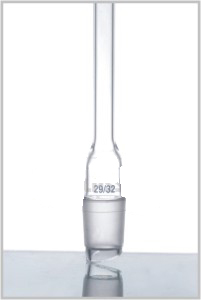
About Air Condencers
| Air Condencers |
| | | Socket | Cone | Effective Length (mm.) |
| | | | | | | | | | | | | | | | | | | | | | | | | | | | | | | | | | | | | | | | | | | | | | | | |
|
Versatile Pass Options for Optimal CoolingChoose from single, double, or triple pass air condensers to match your specific industrial cooling needs. Multiple pass options maximize air-to-refrigerant contact, resulting in improved thermal efficiency for various operational environments. This adaptability ensures effective temperature control across a wide spectrum of industries.
Robust Material ConstructionConstructed with copper tubing and aluminum fins, each condenser is designed for superior heat transfer and corrosion resistance. The powder-coated or galvanized finish further enhances durability, making these units suitable for heavy-duty, long-term use in industrial settings.
Customizable Design to Suit Your ApplicationEach air condenser is tailored to your dimensional and application requirements. Mounting can be arranged horizontally or vertically, with option for flanged or threaded connections. With a temperature resistance up to 120C and variable speed control, our units deliver flexibility and precision for any process cooling scenario.
FAQs of Air Condencers:
Q: How do I decide between single, double, or triple pass air condenser options?
A: The choice depends on your cooling requirements and flow conditions. Single pass units are ideal for basic applications, while double or triple pass designs provide increased heat transfer for more demanding cooling needs in industrial settings.
Q: What is the recommended process for installing these air condensers?
A: Installation should match your facilitys layout, with the choice of horizontal or vertical mounting. Ensure the electric power supply matches the 220W requirement and use the proper flanged or threaded inlet/outlet connections during setup. Professional installation is advised for optimal performance.
Q: When should maintenance be performed on air-cooled condensers to ensure reliability?
A: Regular maintenance, including checking for fin cleanliness and inspecting for any leaks or unusual noises, should be conducted at least quarterly or as per your operational load. Keeping the unit clean ensures efficient heat exchange and prolongs equipment life.
Q: Where can these air cooling condensers be used effectively?
A: Our air condensers are well-suited for industrial HVAC, large refrigeration systems, and process cooling in factories, manufacturing plants, and specialized processing environments across India.
Q: What are the main benefits of using copper tubing and aluminum fins in these condensers?
A: Copper tubing ensures superior thermal conductivity, while aluminum fins improve airflow and heat dissipation. This combination delivers high efficiency, robust durability, and resistance to corrosion, which is essential for industrial environments.
Q: How does the variable speed range support different industrial processes?
A: Variable speed control allows users to fine-tune airflow according to cooling demands, optimizing energy use and maintaining temperature precision as needed for specific process requirements.
Q: What surface treatments are available, and how do they benefit the condensers lifespan?
A: You can choose between powder coating and galvanization. Both treatments enhance resistance to environmental corrosion and physical wear, thereby extending the operational life of each air cooling condenser.










 Send Inquiry

 Send Inquiry